Your differential diagnosis can make a difference.
While hATTR is rare, it is more common than you think—and treatable.
Hereditary ATTR (hATTR) amyloidosis is a rare, life-threatening disease caused by a mutation in the transthyretin (TTR) gene that results in misfolded TTR proteins accumulating as amyloid fibrils in multiple sites including the nerves, heart and GI tract.1,2 Patients with hATTR can present with variable symptoms, including but not limited to peripheral sensory-motor neuropathy, autonomic dysfunction, and cardiomyopathy.3–5
It is treatable which is why suspecting hATTR early is critical.1,6,7

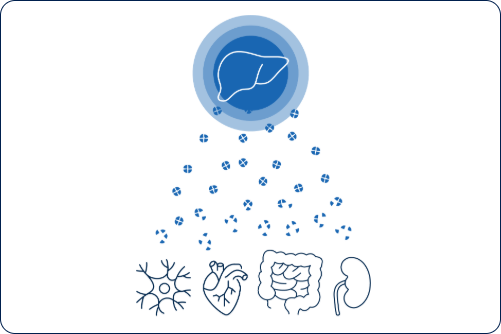
Why it matters
hATTR is a life-threatening disease. After symptom onset, patients experience disability in 4-8 years, and death occurs within 7-12 years.5,8 However, treatment exists that can slow or stop the progression of the disease, making early diagnosis crucial.
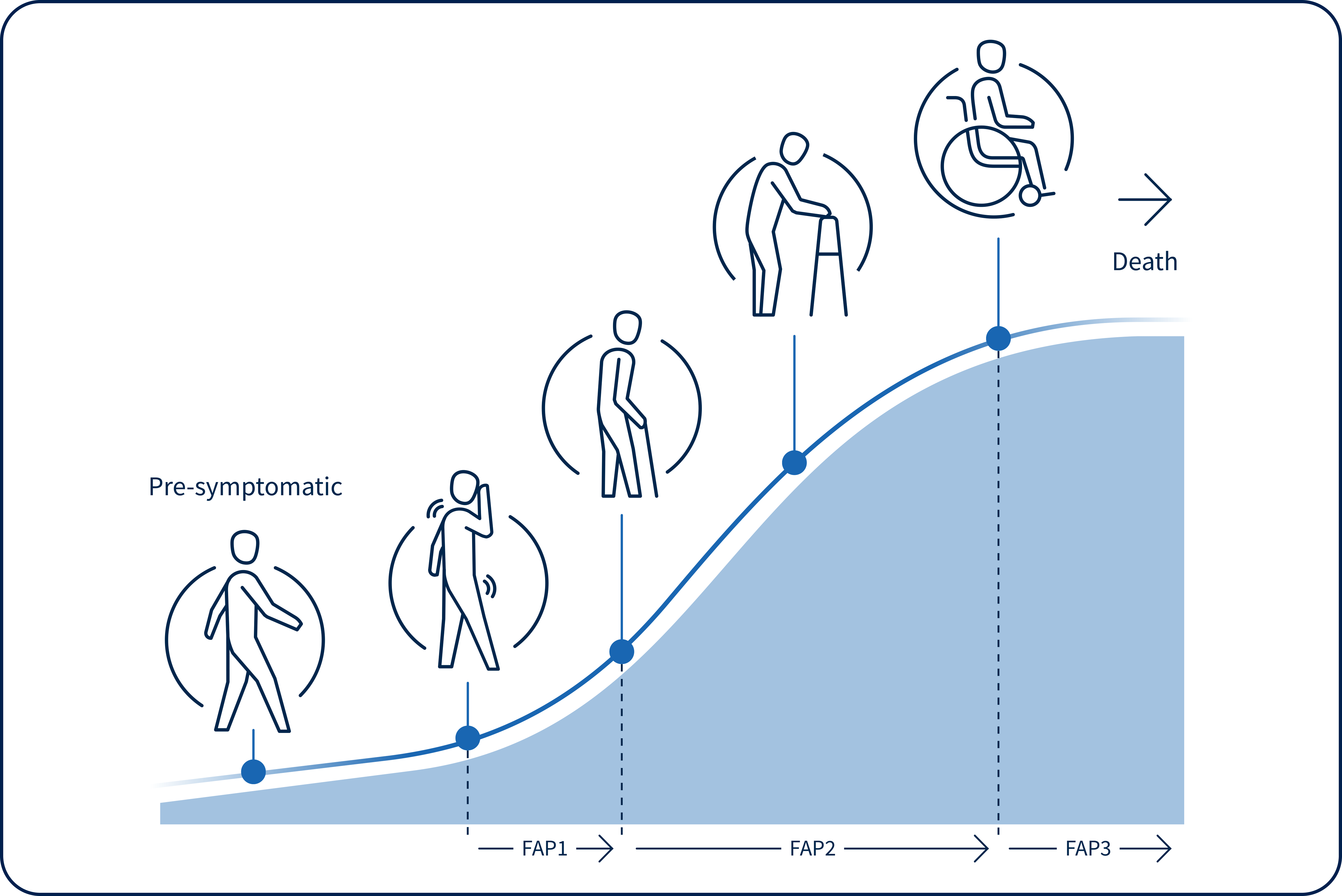
Who is at risk
Before you diagnose a patient with idiopathic neuropathy, suspect hATTR. As a hereditary disease, it shows increased prevalence in individuals of Portuguese, Swedish, Japanese, West African, Afro‑Caribbean, and Irish/UK ancestry.

Diagnosis of hATTR is Peripheral Neuropathy + One of the 6 Items Below.1
Progressive peripheral
sensory-motor neuropathy
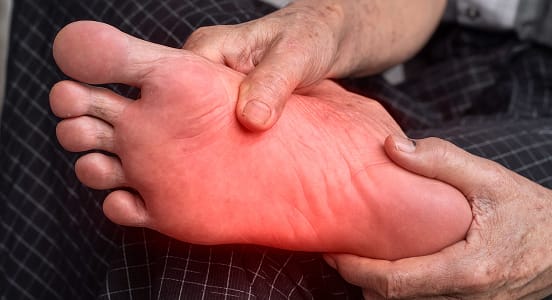
If your patient is experiencing a gradual worsening of motor and sensory functions, often starting in the feet and moving upwards, suspect hATTR. They may report numbness, tingling, or weakness that does not respond to standard treatments for more common conditions like CIDP or diabetic neuropathy.1,9
+ ONE of the following:

Bilateral carpal
tunnel syndrome
Bilateral carpal tunnel syndrome without any other known etiology, including patients with a prior history of the condition (including cases that happened many years previous), especially if combined with progressive sensory-motor neuropathy or autonomic dysfunction.

Gastrointestinal
complaints
GI manifestations such as nausea and vomiting; persistent and/or severe diarrhea or constipation (or alternating bowel habits); unexplained weight loss; or early satiety. Note also if they have been referred multiple times to various specialists without clear diagnosis or paths to treatment.

Autonomic
neuropathy
Orthostatic hypotension, recurrent UTIs, or experiences sexual dysfunction or sweating abnormalities.

Cardiovascular
issues
Previously diagnosed heart complications or cardiovascular manifestations including shortness of breath, edema, palpitations, or arrhythmia.

Unexplained
weight loss
To rule out a diagnosis of a common nerve disorder such as CIDP, ask if your patient has lost weight unexpectedly or without direct reason.
If it is occurring in combination with peripheral neuropathy, suspect hATTR.

Positive
family history
A family history of neuropathy, cardiac issues, or unexplained deaths.
Get support for patient diagnosis and treatment.

Genetic
Testing
If you suspect hATTR, a quick and easy test can
be ordered at no cost through Alnylam Act.

Support from Canadian
Amyloidosis experts
Get diagnostic support from a Canadian Amyloidosis
expert or refer your patient. Experts can provide the
answers needed for next steps and treatment.
-
Conceição I, et al. “Red-flag” symptom clusters in transthyretin familial amyloid polyneuropathy. J Peripher Nerv Syst 2016;21:5-9.
-
Damy T, et al. Cardiac findings and events observed in an open-label clinical trial of tafamidis in patients with non-Val30Met and non-Val122Ile hereditary transtheyretin amyloidosis. J Cardiovasc Transl Res 2015;8(2):117-27.
-
Gertz M, et al. BMC Fam Pract 2020;21:198.
-
González-Duarte A, et al. Clin Auton Res 2019;29:245-51.
-
Adams D, et al. Nat Rev Neurol 2019;15:387-404.
-
Alcantara M, et al. Canadian guidelines for hereditary transthyretin amyloidosis polyneuropathy management. Can J Neurol Sci 2022;49:7-18.
-
Obici L, et al. Recommendations for presymptomatic genetic testing and management of individuals at risk for hereditary transthyretin amyloidosis. Curr Opin Neurol 2016;29(suppl 1):S27-S35.
-
Adams D. Ther Adv Neurol Disord 2013;6:129-39.
-
Ando Y, et al. Orphanet J Rare Dis 2013;8:31.